
Hail Damage Mistakes
When it comes to dealing with hail damage, it’s important to be aware of the common mistakes that people often make. Neglecting immediate assessment, failing to properly document the damage, and underestimating minor issues can all lead to significant consequences.
It’s crucial to promptly file an insurance claim and not skip a professional inspection, as there are potential dangers associated with doing so.
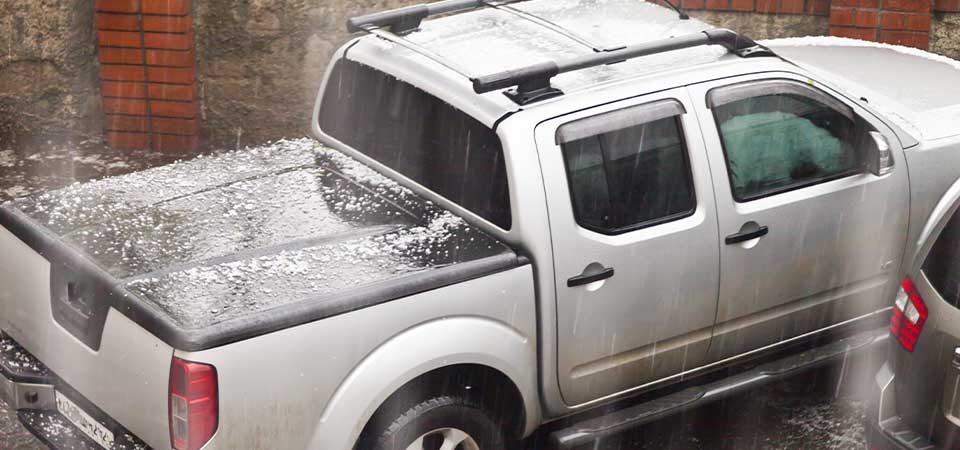
Neglecting Immediate Hail Damage Assessment
Failing to promptly assess hail damage exposes your vehicle to potential deterioration and the prospect of expensive repairs. Homeowners commonly err in delaying inspections, often hoping for minimal damage. However, swift assessment is crucial for promptly identifying issues, facilitating timely repairs, and averting additional harm. Even subtle damage to a vehicle’s roof or siding has the potential to worsen over time due to prolonged exposure to weather elements.
Furthermore, procrastinating on assessment can imperil insurance claims. Insurance companies typically mandate prompt reporting of damages, and a delay in providing timely documentation may result in claim denials or reduced coverage. Taking swift action is essential to protect your vehicle and ensure a smooth claims process.
Lack of Proper Documentation
Insufficient documentation about the assessment and repair of vehicles post-extreme weather introduces complexities in accurately identifying and resolving issues. This deficiency in documentation becomes particularly problematic when navigating insurance claims for hail damage, primarily due to three key reasons:
- 1
Inaccurate Estimates: The absence of proper documentation poses a challenge for insurance companies in accurately assessing the extent of hail damage. This difficulty may result in unfair estimates for repair costs, leading to potential financial losses for both the insurance provider and the vehicle owner. The risk of underestimation or overestimation heightens, impacting the equitable resolution of claims.
- 2
Delayed Claims Process: Insufficient documentation hampers the claims process, causing delays for both insurance companies and vehicle owners. The comprehensive evidence and information necessary for efficient claims processing are compromised by the lack of documentation. This delay extends the time required for repairs, prolonging the resolution of the underlying issues and contributing to increased inconvenience for vehicle owners.
- 3
Disputed Claims: The inadequacy of documentation elevates the likelihood of disputes between vehicle owners and insurance companies. Clear evidence documenting hail damage serves as a critical component for successful claims processing. Without such documentation, insurers may be inclined to deny or reduce claim payouts, placing an undue financial burden on vehicle owners. Thorough documentation is pivotal in navigating the claims process successfully and ensuring a fair resolution for all parties involved.
Common Repairs Mistakes After Hail Damage
After extreme weather events, overlooking details in property assessments and repairs, particularly when dealing with hail damage, often leads to significant issues. Mistakes are prevalent during assessments, with insurance adjusters potentially overlooking or underreporting damage and body shops may miss hidden issues, setting the stage for future problems.
One common error in hail damage repairs is the incomplete identification of affected areas. Hail damage can extend across various surfaces of vehicles, yet repairs often concentrate solely on visible damage, disregarding less apparent issues. This oversight results in incomplete repairs and the potential for long-term complications.
Another prevalent mistake involves the use of subpar repair techniques or materials. Rushed or inadequate workmanship may invite premature wear or additional damage to the vehicle during subsequent weather events.
Ensuring proper hail damage repairs demands comprehensive assessments that cover both visible and hidden damages, coupled with skilled technicians adhering to industry best practices. This approach minimizes costly errors and secures effective and lasting repairs, addressing both immediate and potential long-term issues associated with hail damage.
Underestimating the Importance of Minor Damage
Dismissing the importance of seemingly minor damages may lead to persistent issues and raise concerns about the integrity of repaired areas in vehicles. It is crucial not to overlook or underestimate these seemingly insignificant issues, and here are three compelling reasons why:
Failing to File an Insurance Claim on Time
Delaying the submission of an insurance claim for hail damage can lead to complications and protracted wait times for compensation. Timely filing is essential to ensure a seamless process, leveraging insurance coverage designed to protect against unexpected events like hailstorms that have the potential to cause substantial property damage. However, failure to promptly report damages may present challenges in securing reimbursement.
When initiating an insurance claim for hail damage, it’s crucial to grasp the policy’s terms, including applicable deductibles. Deductibles signify the out-of-pocket amount that policyholders must cover before insurance coverage becomes effective. Failing to promptly initiate a claim heightens the risk of missing out on reimbursement for repairs or replacements covered by the policy.
In regions susceptible to severe hailstorms, such as Colorado Springs, prompt reporting is particularly vital. The area’s extreme weather conditions emphasize the necessity for vehicle owners to adhere diligently to specified timeframes outlined by their insurance providers.
The failure to file an insurance claim promptly after hail damage can result in unnecessary complications and delays in receiving compensation. It is imperative for affected individuals to thoroughly comprehend their policies and take prompt action when necessary. This proactive approach not only expedites the resolution process but also ensures that individuals are well-prepared to navigate potential complications associated with the aftermath of hailstorms, safeguarding their vehicles and financial well-being.
The Dangers of Skipping Professional Inspection
Neglecting a professional inspection after a hailstorm can result in severe financial consequences and compromise individual safety. Bypassing this crucial step exposes individuals to various dangers, emphasizing the critical nature of a thorough assessment:
- 1Undetected Damage: The untrained eye may overlook subtle signs of hail damage that a professional inspector is equipped to identify. Ignoring these indicators may lead to the progression of more severe issues over time, as hidden damage remains unaddressed and potentially worsens.
- 2Vehicle Instability: Hail’s significant impact on vehicles can compromise their safety and stability. Without a comprehensive inspection, concealed weaknesses may elude notice, heightening the risk of further deterioration in the vehicle’s structural integrity. This, in turn, increases the likelihood of safety-related issues during operation, posing a potential threat to occupants.
- 3Invalidated Insurance Claims: Insurance companies typically mandate documented proof of hail damage for claim approval. Skipping a professional inspection puts individuals at risk of having their claims denied due to insufficient evidence or an inaccurate assessment. This oversight can result in financial setbacks, as individuals may be left without the necessary compensation for essential repairs.
It is imperative to recognize that even seemingly minor hailstorms can cause significant, not immediately apparent damage. To mitigate these risks and prevent potential oversights, enlisting a qualified professional for a comprehensive assessment after a hailstorm is highly recommended. This proactive approach ensures the early identification of necessary repairs, minimizing risks associated with undetected damage, and preserving the overall integrity of vehicles affected by hail damage.
Costly Consequences of Ignoring Hail Damage
Neglecting the consequences of hail damage can result in significant financial burdens and compromise safety. Disregarding hail damage on vehicles may lead to expensive repairs and potential involvement in insurance fraud. Professional expertise is indispensable for repairing hail damage and restoring both the appearance and functionality of the vehicle. Failure to promptly address the damage can result in further deterioration, leading to additional repair costs.
Hail damage left untreated has the potential to escalate over time, causing more extensive harm to the vehicle. This escalation can translate into substantial repair expenses, amounting to thousands of dollars, which could have been avoided with early intervention. Moreover, some individuals may resort to insurance fraud by falsely claiming pre-existing damage as hail damage. This unethical practice not only raises premiums for all policyholders but also carries legal consequences if discovered.
To mitigate these costly consequences, vehicle owners should promptly seek professional assistance after experiencing hail damage. Addressing the damage promptly ensures timely repairs and prevents further complications, allowing individuals to shield themselves from unnecessary financial burdens and maintain safety on the road. This proactive approach is crucial for preserving both the economic well-being and the physical integrity of the vehicle owner.
 We are a Colorado native company