
Should I Claim Hail Damage on My Car
If your car has been affected by hail damage, you may be wondering whether or not to file a claim. It’s important to address hail damage promptly to prevent any further issues and ensure your car remains in good condition.
Addressing hail damage promptly is important to prevent further issues and maintain the value of your car. Understanding your insurance coverage, assessing the severity of the damage, and seeking professional advice are key steps in making an informed decision on whether to file a claim for hail damage. Remember, it’s crucial to review your policy, speak with your insurance provider, and document the damage to ensure a smooth claims process.
Importance of Addressing Hail Damage
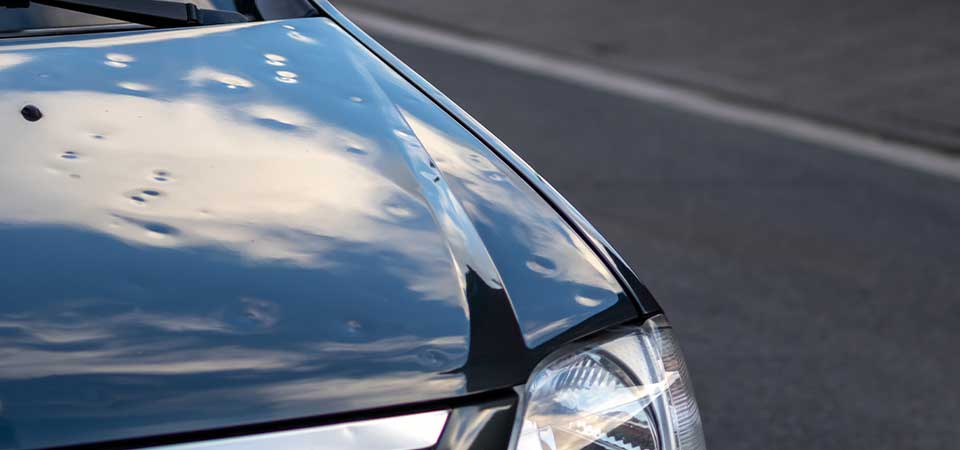
Addressing hail damage on a car is crucial because it prevents further structural deterioration and preserves the vehicle’s value. Hailstorms can occur unexpectedly and cause significant damage to vehicles, posing potential safety risks and diminishing resale value. It is imperative for car owners to promptly address any hail damage to mitigate these risks and safeguard their investment.
One key reason why addressing hail damage is essential is to prevent ongoing structural deterioration. Hailstones can create dents or cracks in the exterior surface of a vehicle, compromising its structural integrity. These damages may worsen over time due to exposure to elements like rain or extreme temperatures. By promptly repairing hail damage, car owners can thwart issues such as water leaks and rust formation, preventing the development of more severe structural problems.
Moreover, addressing hail damage is vital for maintaining the vehicle’s value. Prospective buyers are likely to be deterred by visible dents or cracks caused by hailstorms when considering the purchase of a used car. By repairing these damages before selling or trading in the vehicle, owners increase their chances of securing a fair price and avoid potential negotiations over repair costs.
Although comprehensive coverage under an auto insurance policy may cover repair costs resulting from hail damage, car owners should address such damages promptly. This proactive approach not only prevents further deterioration but also ensures that owners receive proper compensation from their insurance company if necessary. It is a prudent measure to protect both the structural integrity and financial value of the vehicle.
Common Misconceptions About Hail Damage Claims
There is a common misunderstanding regarding the assessment of hail damage on vehicles and the procedures insurance companies follow when handling claims. Hail damage claims are frequent, especially in areas prone to severe weather, necessitating a clear understanding among vehicle owners of the potential damage caused by hail and the essential steps for filing an insurance claim.
Insurance companies employ specific criteria when evaluating hail damage claims, considering factors such as the size and depth of dents, paint damage, broken or cracked windows, and other visible signs of hail impact. Additionally, insurance adjusters may take into account whether the vehicle was parked under shelter during the hailstorm and assess any pre-existing damages before the incident.
For a fair assessment of damages by insurance adjusters, vehicle owners must meticulously document all damages by taking photographs and providing accurate descriptions when filing an insurance claim. It is crucial to report any hail-related damage to the insurance company promptly, as delays could potentially impact coverage.
Vehicle owners should be aware of the criteria used by insurance companies to evaluate hail damage claims, document damages thoroughly, and promptly report any hail-related damage to ensure a fair and timely assessment by insurance adjusters. This proactive approach is essential for a smooth claims process and accurate coverage determination.
Overview of Hail Damage Insurance Coverage
Hail damage insurance coverage aims to shield vehicle owners from the financial burden of repairing damages resulting from hailstorms. Typically included in comprehensive insurance policies, which cover non-collision events like vandalism or theft, this coverage serves as a safeguard against unexpected weather-related damages.
To file a claim for hail damage, vehicle owners are required to provide evidence, such as photographs or an inspection report from a certified auto repair shop. Insurance companies employ specific criteria when evaluating these claims, considering factors like the size and severity of dents and whether they impact the functionality or safety of the vehicle. Additionally, the age and condition of the car are considered before determining compensation.
The extent of compensation for hail damage repairs varies depending on the insurance policy and the deductible amount chosen by the insured individual. Some policies cover full repairs, while others may have limitations or exclusions. It is crucial for vehicle owners to thoroughly review their insurance policies to gain a clear understanding of what is covered and what is not. This proactive approach ensures that individuals are well-informed about their coverage and can make informed decisions regarding their insurance protection.
Assessing the Severity of Hail Damage
When assessing hail damage, it’s crucial to consider both the size and depth of dents on the vehicle’s surface, in addition to any potential impact on its functionality and safety. The initial step involves a visual inspection of the car, carefully scrutinizing each panel, including the hood, roof, trunk, doors, and fenders, for visible signs of dents or dings. It is essential to bear in mind that even small dents can indicate severe damage underneath the surface.
Beyond the visual inspection, evaluating potential disruptions to the car’s functionality and safety is equally important. This includes checking for cracks in the windshield or windows that could compromise visibility while driving. Additionally, examining essential components such as lights, mirrors, and airbags for any damage is crucial.
To better understand the severity of hail damage, it is advisable to consider the following factors:
- 1Size: Categorize the dents based on their size, classifying them as small, medium, or large.
- 2Depth: Determine whether the dents are superficial or deep, assessing the extent of damage beneath the surface.
- 3Functionality Disruptions: Assess whether there are any disruptions to the car’s functionality, examining components that contribute to its proper operation.
- 4Safety Disruptions: Evaluate if there are any safety concerns resulting from the hail damage, particularly regarding visibility and the integrity of safety features.
This comprehensive approach ensures a thorough evaluation of hail damage, covering both the visible exterior impact and potential underlying issues that may affect the vehicle’s performance and safety.
Impact on Car Resale Value
Hail damage can significantly impact a car’s resale value, potentially leading to a decrease in demand and a lower selling price. Potential buyers may perceive hail damage as an indication of previous damage and potential hidden issues. It is crucial to consider the potential effect on the car’s resale value before deciding whether to file a claim for hail damage.
Several factors can influence how much hail damage affects the resale value of a car, with the severity and extent of the damage playing a significant role. Extensive and severe hail damage can have a more substantial negative impact on resale value compared to minor dents or scratches. Additionally, the quality of repairs following a hail damage claim can influence how potential buyers perceive the vehicle. Poorly executed repairs may raise concerns about hidden or lingering issues.
Filing an insurance claim for hail damage also comes with potential consequences. One consequence could be an increase in insurance premiums in subsequent years. Additionally, filing a claim may affect the average insurance payout for hail damage claims, which varies based on factors like policy coverage and deductibles.
Given these considerations, individuals should carefully evaluate whether filing an insurance claim is economically beneficial. Factors to consider include the deductible amount, potential premium increases, and the expected impact on the car’s resale value. This thoughtful assessment ensures individuals make informed decisions regarding whether to proceed with a hail damage claim.
The Claim Process
When navigating the process of claiming hail damage on your vehicle, it is crucial to ensure you have all the necessary documentation and evidence to support your case. Filing an auto insurance claim for hail damage necessitates having comprehensive car insurance coverage that includes protection against natural disasters like hailstorms. This coverage ensures you can be reimbursed for the repairs or replacement of your damaged vehicle.
Initiating the claim process involves contacting your insurance company and providing them with relevant details about the hailstorm incident. This information may include specifics about when and where the hailstorm occurred, along with any available witnesses who can confirm the extent of the damage.
Typically, insurance companies will require an estimate for the repairs from an authorized auto body shop before approving your claim. Obtaining multiple estimates is advisable to ensure accuracy and fair compensation. The repair estimate should clearly outline all necessary repairs and associated costs.
Once your claim is approved, you can select an auto body shop to perform the repairs. It is essential to choose a reputable shop specializing in hail damage repair, as this type of work demands specific expertise.
When filing an auto insurance claim for hail damage, it is imperative to follow a thorough process that involves providing accurate documentation and evidence. By adhering to the outlined steps, you can successfully navigate the hail damage repair process and ensure a fair resolution with your insurance company.
Seeking Professional Advice
Seeking advice from a professional auto body shop specializing in hail damage repair can provide valuable insights and guidance throughout the claim process. These experts possess extensive knowledge of assessing and repairing hail damage and are adept at navigating the complexities of auto insurance claims.
There are several benefits to consulting with a professional auto body shop for a hail-damaged car:
 We are a Colorado native company